Coca‑Cola has long been one of the most iconic brands in advertising history. Its campaigns—from I'd Like to Buy the World a Coke in 1971 to Open Happiness in the late 2000s—have consistently shaped consumer culture, embedding themselves in the collective consciousness of generations. In 2016, Coca‑Cola launched Taste the Feeling, a global campaign designed to unify all Coca‑Cola product variants under one cohesive message. This campaign marked a strategic shift from abstract happiness to everyday sensory experiences, emphasizing the simple, tangible pleasure of drinking a Coke. Its legacy lies in revitalizing brand relevance, reinforcing Coca‑Cola's identity as a universal lifestyle brand, and embedding the slogan into pop culture. This article explores the origins, execution, and enduring impact of Taste the Feeling.
🥤 Why Coca‑Cola Launched "Taste the Feeling"
H2: Strategic Shift
By 2016, Coca‑Cola faced a familiar challenge: declining soda consumption, health-conscious consumers, and a fragmented brand portfolio. Its previous campaign, Open Happiness (2009–2015), had successfully positioned Coke as an emotional elixir, but the messaging had become diffuse across multiple variants and markets.
Taste the Feeling represented a deliberate grounding. Instead of selling happiness as an abstract ideal, Coca‑Cola sold the sensory experience of drinking its product. The fizz. The chill. The contour bottle in your hand. It was less philosophical and more physical—a return to the product itself.
H2: One Brand Strategy
Before 2016, Coca‑Cola Classic, Diet Coke, Coke Zero, and Coca‑Cola Life often communicated independently, creating consumer confusion and diluting brand equity. Taste the Feeling unified all variants under one campaign umbrella. Whether you chose sugar, zero-calorie, or stevia-sweetened, you were still drinking a Coke. The campaign reinforced that the essential experience—the taste, the refreshment, the moment—remained constant regardless of the can color.
This "One Brand" strategy reduced fragmentation, simplified global marketing operations, and presented a unified face to consumers navigating an increasingly crowded beverage aisle.
H2: Global Reach
Taste the Feeling was Coca‑Cola's largest unified campaign in the company's 130-year history, rolling out across more than 200 countries. This scale required cultural adaptability while maintaining a universal message. The commercials featured diverse casts and settings—Buenos Aires, Shanghai, London, rural America—but the emotional core remained identical. A Coke shared is a moment enjoyed, regardless of latitude.
🎬 Creative Execution
H2: Television Commercials
The television spots were masterclasses in restrained storytelling. No grandiose CGI spectacles. No celebrity voiceovers commanding attention. Instead, viewers saw relatable scenes: friends laughing on a sun-drenched porch, a couple stealing a quiet moment, a family passing bottles around a dinner table. The camera lingered on the condensation beading on the aluminum, the caramel bubbles rising through amber liquid, the satisfying hiss of an opening tab.
The sensory focus was intentional. In an era of digital distraction, Coca‑Cola reminded audiences that pleasure can be physical, immediate, and small.
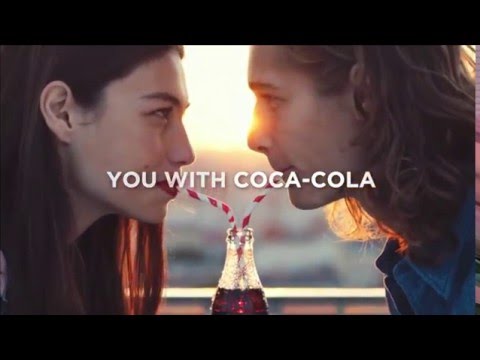
🎥 Coca‑Cola – Taste the Feeling Launch Ad (2016):
H2: Print & Outdoor Ads
The print and outdoor executions were exercises in disciplined branding. The Coca‑Cola red disc logo—the "Red Disc"—was consistently featured alongside the contour bottle silhouette. Typography was clean, layouts were uncluttered, and the product was always heroically presented. This visual consistency reinforced brand heritage while signaling modernity. It was Coca‑Cola, unmistakably, but Coca‑Cola streamlined for the smartphone age.
H2: Music Anthem
Coca‑Cola commissioned an original anthem, simply titled Taste the Feeling, performed by Conrad Sewell. The track was deliberately anthemic—buildling verses, a soaring chorus, universal lyrics about connection and simplicity. It played across television spots, radio, and in-store activations.
The song became the campaign's emotional spine. It was not background noise; it was the feeling translated into melody. Years later, the track still surfaces in playlists and advertisements, proof that effective commercial music transcends its commercial origins.
🎥 Coca‑Cola Anthem "Taste the Feeling" (2016):
H2: Digital & Social Media
Taste the Feeling was designed for the feed, not just the screen. Coca‑Cola invested heavily in Instagram and YouTube, formats where the campaign's clean aesthetics and emotional brevity could thrive. The brand encouraged user-generated content through hashtags and interactive filters, transforming passive viewers into active participants.
The digital execution acknowledged a fundamental shift: consumers no longer watched commercials; they encountered them, shared them, and sometimes recreated them. Taste the Feeling was optimized for this participatory culture.
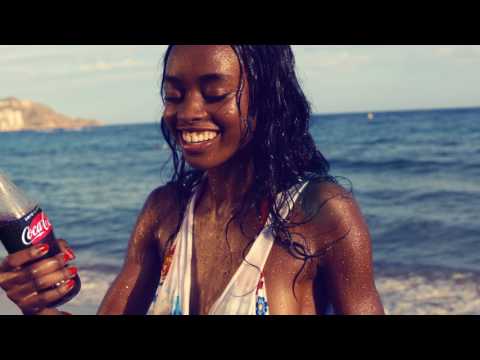
🎥 Coca‑Cola Zero Sugar – Taste the Feeling (2016):
" target="_blank" rel="noreferrer">https://www.youtube.com/watch?v=EHQVWbdYaY
📊 Campaign Impact
DimensionDetails
| Sales | Global sales volumes rose 2% in 2016, outpacing the beverage industry average of 1.3%. |
| Brand Consistency | Unified all Coke variants under one identity, reducing portfolio fragmentation. |
| Cultural Resonance | Ads focused on ordinary pleasures, echoing the 1971 "I'd Like to Buy the World a Coke" ethos. |
| Longevity | Campaign continued through the late 2010s, influencing Coca‑Cola's digital storytelling style for years. |
🔎 Expert Analysis: Why "Taste the Feeling" Worked
Authenticity
In a health-conscious era, Coca‑Cola could not pretend its product was a superfood. Instead of defensiveness, the brand chose honesty. Taste the Feeling acknowledged that Coke is not about nutrition; it is about pleasure. This authenticity resonated with consumers exhausted by wellness marketing that pathologized enjoyment.
Artistic Innovation
Taste the Feeling blended heritage visuals—the contour bottle, the Spencerian script—with modern cinematography. The commercials did not look like vintage Coca‑Cola ads; they looked like contemporary independent films. This balance ensured the brand felt both timeless and current.
Pop Culture Integration
The campaign deliberately echoed Coca‑Cola's greatest hits. The 1971 hilltop commercial was invoked through imagery of global togetherness. The contour bottle, introduced in 1915, was centered in every frame. Taste the Feeling did not abandon history; it curated it.
Strategic Timing
Taste the Feeling launched amid the worst decline in carbonated soft drink sales in decades. Consumers were migrating to sparkling water, kombucha, and cold brew. Rather than panic, Coca‑Cola doubled down on its core identity. The timing was counterintuitive and correct.
🌍 Broader Cultural Significance
Advertising History: Taste the Feeling is studied in marketing textbooks as a case study in global brand unification. It demonstrated that a century-old company could streamline its messaging without sacrificing emotional depth.
Pop Culture: The slogan "Taste the Feeling" entered the vernacular as shorthand for simple, sensory pleasures. It appeared in memes, social media captions, and even parody advertisements—the ultimate sign of cultural penetration.
Consumer Psychology: The campaign understood that brand loyalty is not rational; it is emotional. Consumers do not defend Coca‑Cola based on blind taste tests or ingredient comparisons. They defend it because it is woven into memories: baseball games, birthday parties, first dates, road trips. Taste the Feeling reminded them of those memories without narrating them explicitly.
Global Reach: Despite its distinctly American origins, Taste the Feeling translated effortlessly. A commercial set in Buenos Aires resonated in Berlin. A scene shot in Shanghai felt familiar in São Paulo. By focusing on universal human moments—connection, refreshment, pause—Coca‑Cola achieved true globalization.
🧠 Conclusion: The Legacy of "Taste the Feeling"
Coca‑Cola's Taste the Feeling campaign unified the brand globally, reframed Coke as part of everyday life, and adapted heritage advertising to the digital age. Its legacy lies in proving that even a century-old brand can reinvent itself while staying true to its core identity.
But the deeper achievement of Taste the Feeling was philosophical. Coca‑Cola spent decades telling consumers that its product delivered happiness. Taste the Feeling made a quieter, braver claim: that happiness is not a destination; it is a moment. A pause. A shared glance. A cold bottle on a warm afternoon.
This was not a retreat from ambition; it was a refinement of it. By focusing on sensory experiences and emotional storytelling, Coca‑Cola ensured that Taste the Feeling would be remembered not as another corporate rebrand, but as a return to what made the brand essential in the first place.
The hilltop singers of 1971 imagined a world where Coke could bring humanity together. Taste the Feeling acknowledged that such grand ambitions are realized not in mass gatherings, but in individual moments. Not on mountainsides, but on porches. Not through anthems, but through fizz.
That is the legacy of Taste the Feeling: not a campaign, but a calibration. Coca‑Cola remembered that its product does not create happiness; it accompanies it. And in that humility, the brand found its most authentic voice yet.
Other Articles
Catchy Wendy’s Taglines in AdsDiscover Wendy's most memorable advertising slogans that have shaped its brand identity. Explore the creativity behind each iconic phrase andits impact.

LG Campaigns in Consumer ElectronicsDiscover how LG shapes household tech advertising, showcasing innovative products that enhance everyday living and redefine modern homeexperiences.
How Netflix Ads Reflect Pop CultureDiscover how Netflix ads mirror pop culture trends, shaping viewerperceptions and influencing entertainment choices in today's digitallandscape.

Iconic Adidas Campaigns in Sports FashionDiscover the most iconic Adidas campaigns that have shaped sportsfashion. Explore their impact on style, culture, and athleticperformance today.
How Canon Ads Shaped Camera CultureExplore Canon's advertising journey in photography, showcasinginnovative campaigns and iconic moments that shaped the industry andinspired photographers worldwide.

Celebrities in Holiday AdvertisingDiscover the magic of Christmas as famous actors shine in festivecampaigns. Explore their memorable performances and the joy they bringto the season.

Famous Faces in 2000s Perfume AdsDiscover the iconic actors who transformed perfume advertising in the2000s, blending glamour and allure to create unforgettable campaigns.
Idris Elba’s Presence in Tech AdsDiscover how Idris Elba is revolutionizing technology advertisingcampaigns with his unique charisma and innovative approach. Explore theimpact today!